Employee self-service HR is transforming how small businesses manage people. Instead of routing every HR question through a manager, employees get instant answers from a system that knows your policies.
The Traditional HR Query Problem
In most small businesses, the HR query process looks like this: an employee has a question about their leave balance, overtime entitlement, or the disciplinary procedure. They send a WhatsApp to their manager, or knock on the office door, or send an email to HR. They wait. The manager looks it up, asks someone else, or answers from memory — sometimes incorrectly. The employee gets an answer hours or days later. The manager loses 20 minutes of productive time.
This process is inefficient, inconsistent, and frustrating for everyone involved. Employee self-service HR is the solution.
What Is Employee Self-Service HR?
Employee self-service (ESS) HR refers to systems that allow employees to access HR information, submit requests, and get answers to HR questions without needing to involve a manager or HR professional. Traditional ESS systems — like the portals built into payroll software — allow employees to view payslips, submit leave requests, and update personal details. AI-powered ESS takes this further: employees can ask natural language questions and receive accurate, policy-specific answers in seconds.
The Key Benefits for SMBs
The benefits of employee self-service HR are felt across the organisation, from the business owner to the newest hire.
For business owners and managers: The most immediate benefit is time. Routine HR queries — which can consume two to four hours of management time per day in a 50-person business — are handled automatically. Managers are freed to focus on revenue-generating and strategic work.
For HR professionals: ESS removes the low-value, repetitive work that prevents HR teams from focusing on talent development, culture, and strategic people management. An HR manager who spends 40% of their time answering policy questions can redirect that capacity to work that actually requires their expertise.
For employees: Instant access to accurate HR information reduces anxiety and improves the employee experience. Employees no longer need to feel embarrassed about asking basic questions, or wait until Monday morning to find out if they are entitled to a day off.
What Makes AI-Powered ESS Different
Traditional ESS portals are essentially digital filing cabinets — they store and display information, but they cannot interpret it. An employee who wants to know whether they can carry over unused annual leave to the next cycle cannot find the answer by browsing a portal. They need to read the leave policy, understand it, and apply it to their situation.
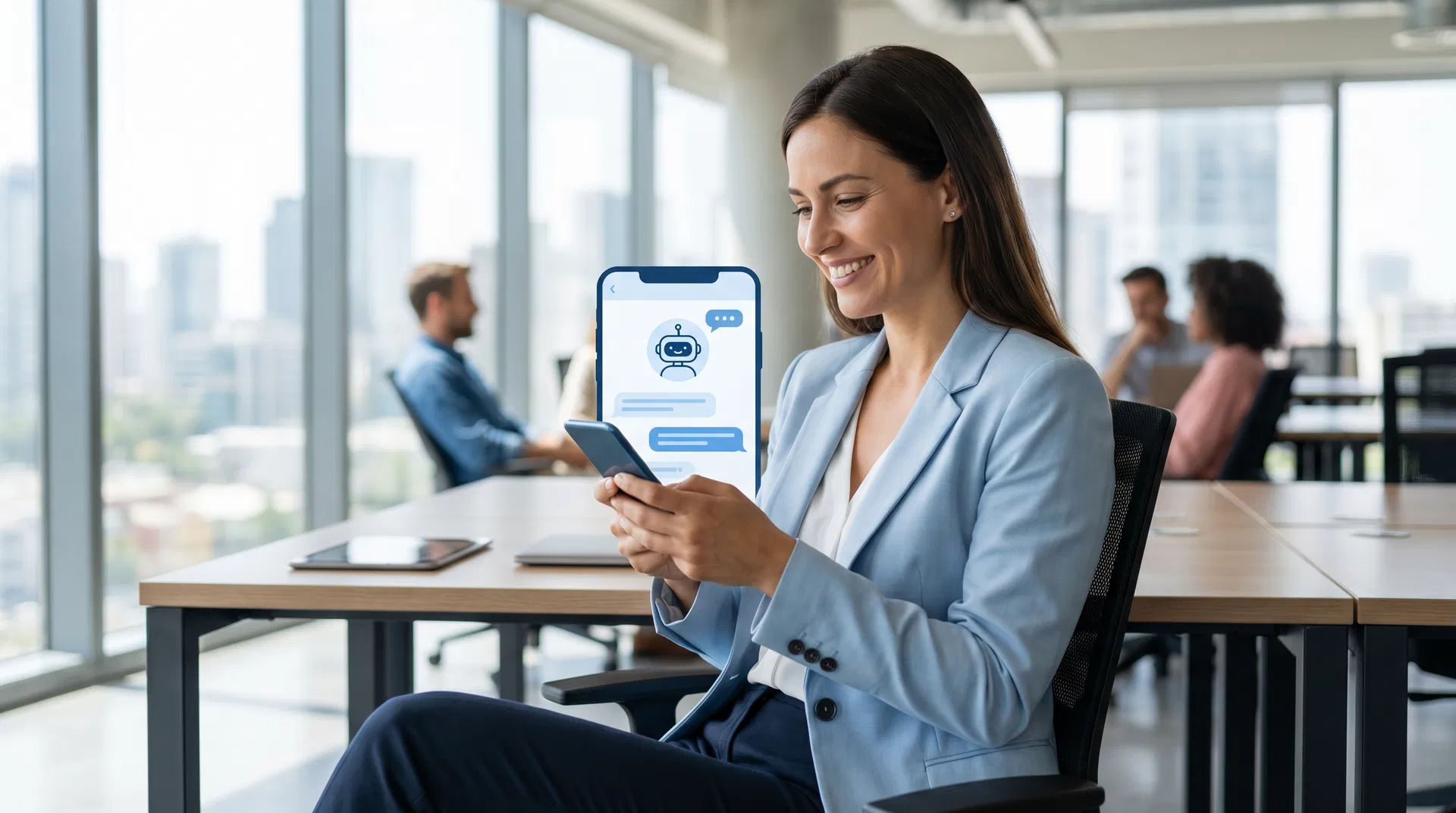
AI-powered ESS — like PeoplePulse — understands the question, reads the relevant policy, and provides a direct, contextual answer. The employee does not need to know which document to look in, or how to interpret legal language. They ask a question in plain English and get a plain English answer.
Implementation: What to Expect
Implementing an AI-powered ESS system like PeoplePulse takes approximately 10 minutes. You upload your HR policy documents — your employee handbook, leave policy, disciplinary code, and any other relevant documents — and the system is immediately ready to answer questions based on those documents. There is no IT project, no integration work, and no training required for employees.
The most important step is ensuring your policy documents are accurate and up to date before you upload them. PeoplePulse answers are only as good as the policies it is trained on — which is a good reason to review and update your HR documentation as part of the onboarding process.